
NIV Bible version, Offline app
Mobile Bible appsBooks & Reference
4.84.23K Reviews
- Version
- 1.65
- Installs
- 1.00M
- Age Rating
- Everyone
Screenshots
Our Review of NIV Bible version, Offline app
 Analysis by Appyee
I spent time with NIV Bible version, Offline app as a practical reading and listening tool rather than treating it as just another digital Bible. It is a free Books & Reference app from Mobile Bible apps, built around the New International Version and its audio presentation. The main appeal is simple: it puts a familiar English Bible in a format that is easier to carry, revisit, and use away from a browser.
That simplicity is also the key to understanding it. This is not an all-purpose study suite that tries to replace every Bible website, printed study Bible, or church resource. I see it as a focused companion for reading Scripture, listening during quiet routines, and keeping a Bible available when an internet connection is inconvenient. If that matches your habits, the app has a clear purpose. If you need extensive scholarly notes, comparison tools, or a large research library, you may find its approach too narrow.
How the current app feels in everyday use
The first thing I noticed is that the app’s value depends less on visual novelty and more on reducing friction. A Bible app earns its place on a phone when I can open it quickly, find the passage I want, and continue without feeling as though I am navigating a complicated reference system. The offline focus makes that especially useful for travel, commuting, quiet reading in places with weak reception, or simply avoiding browser tabs and distractions.
For a normal morning routine, I can imagine using it in a straightforward way: read a short passage with breakfast, return to the same section later, and listen while preparing for the day. That workflow is more realistic than expecting one app to manage an entire study program. The audio element gives the text a second mode of access, which matters when my attention is available but my hands or eyes are occupied.
The New International Version is also a sensible choice for readers who want contemporary English rather than the older phrasing found in some traditional translations. That does not make it universally preferable. Translation choice is personal, and someone who studies several versions side by side will still want other resources. For a reader who already prefers NIV wording, though, having the text and audio together is more convenient than switching between unrelated apps.
Its broad adoption is reflected in an average rating of 4.8 from around 47 thousand ratings, while the app has passed one million installs. Those figures do not prove that it will suit every reader, but they do suggest that the basic experience has connected with a substantial audience. I would interpret that popularity as reassurance about its central purpose, not as evidence that it offers every advanced feature found in larger Bible platforms.
Reading and listening as separate habits
I think the strongest way to use this app is to treat reading and audio as different habits instead of using audio as a decorative extra. Reading works well when I want to slow down, notice repeated words, or pause over a paragraph. Listening is better for walking, household tasks, or hearing the flow of a longer passage. Moving between those modes can make the same material feel less repetitive without requiring a different translation.
There is a useful trade-off here. Audio can help me stay engaged when I am tired, but it can also encourage passive listening. If I want to remember a specific idea or examine a difficult passage, I would switch back to reading and take my time. The app is therefore most helpful when I choose the mode based on the task rather than letting playback become background noise.
For families, the audio option may also make shared listening easier, especially when everyone is not sitting with a printed book. For personal study, I would use it as a first pass before returning to the text. That approach keeps the experience approachable while avoiding the assumption that listening alone provides the same depth as close reading.
What the release and current version tell me
The app was released on April 12, 2021, and its current version is 1.65. That combination suggests a product that has had time to settle into its role rather than a brand-new experiment. I would not read the version number as a promise of a particular feature set, but it does make the app feel more established than a newly launched reader that is still defining its basics.
From a user’s point of view, the important question is not whether the version number sounds large. It is whether the present build supports the habits the app is meant to serve: dependable access to the NIV text, useful audio, and a comfortable offline routine. The app’s evolution matters most when it removes interruptions or makes returning to a passage easier. Those are the changes I would value more than cosmetic additions.
I also appreciate that the product remains clearly identifiable as a Bible app rather than trying to become a general social platform. Its developer, Mobile Bible apps, has kept the concept recognizable: a Bible New International Version audio experience with offline usefulness at its center. That focus is a strength because it keeps the decision simple for someone who already knows which translation they want.
What existing users gain from the current approach
Someone who has already used an earlier version is likely to benefit most from continuity. A familiar reading tool is valuable because devotional routines depend on consistency. If I have built a habit around opening the same app, a stable current version reduces the temptation to reorganize everything around a new service. The practical gain is not excitement; it is fewer obstacles between me and the passage I intended to read.
Offline access changes the rhythm of use in a meaningful way. Instead of planning around signal strength, I can prepare the app before leaving home and then use it in a location where streaming or web pages are unreliable. That is particularly helpful on journeys, in underground transport, or during a retreat where I want to limit phone connectivity. I would still check the desired passage beforehand and make sure the needed content is available locally, because offline workflows are only useful when prepared in advance.
Another less obvious benefit is attention management. A dedicated Bible app can be calmer than opening a browser and searching for a passage among unrelated notifications and recommendations. I would not claim that an app automatically creates a reflective mood, but reducing the number of steps can make it easier to keep a small daily commitment. In my experience, convenience matters most when the intended session is short.
The Everyone content rating also makes the app approachable for households with different ages. That does not turn it into a children’s teaching product, and parents may still want to guide younger readers through difficult material. It does mean the app is positioned as a broadly accessible reference and reading tool rather than something restricted to a specialist audience.
Where it fits beside printed Bibles and other apps
A printed Bible still has advantages that a phone cannot reproduce. Paper does not bring notifications, battery concerns, or screen fatigue, and many readers remember locations spatially on a page. I would choose print for extended study at a desk or for a setting where I want the phone completely out of reach. The offline app wins when portability, audio, and quick searching matter more than the physical experience.
Compared with a browser-based Bible, this app’s appeal is convenience and independence from a live connection. A website may offer more translations, commentaries, cross-references, and search controls, but it also introduces more visual clutter and depends on the browsing experience. I would use a website when researching a passage across multiple sources, then return to this app for uncomplicated reading or listening.
Large Bible platforms can also be better for users who want structured study plans, extensive notes, community features, or integrated sermons. The trade-off is complexity. More tools can help serious researchers, but they can also make a simple reading session feel like a project. This app is a better fit for someone who values a focused NIV experience and does not want to manage a large ecosystem.
Translation preference is the biggest comparison point. If you regularly read a different version, an app dedicated to NIV may not be the right primary choice. You could keep it for NIV audio or comparison, but another app with several translations may serve you better day to day. I would decide that before installing, because the best interface cannot compensate for a translation that does not match your study or church context.
Small workflows that make it more useful
My first practical tip is to separate planned reading from spontaneous lookup. For planned reading, I would choose the passage before going offline and use the audio only after reading the opening section myself. That gives me a sense of the text before the spoken version sets the pace. For spontaneous lookup, I would keep sessions short and avoid turning every question into a full research task.
A second useful workflow is to listen to a complete section while walking, then revisit only the parts that stood out. This is more effective than repeatedly replaying small fragments without context. The longer flow helps me notice transitions and themes, while the later reading gives me a chance to examine details. It also makes the app useful for people who struggle to maintain a daily reading habit through silent reading alone.
Third, I would use offline access deliberately rather than assuming it solves everything automatically. Before a flight, trip, or low-signal day, I would open the passages I expect to need and confirm that the app behaves as intended without connectivity. That simple preparation prevents the common mistake of waiting until the moment of need to discover that content or playback requires setup.
A fourth insight concerns shared use. If I were introducing the app to a friend or family member, I would begin with one familiar book or passage instead of explaining every possible way to use it. The app’s strength is its low barrier to entry. Starting with a known text makes it easier to judge whether the reading display and audio style suit that person without creating unnecessary technical discussion.
The friction I would consider before choosing it
The focused design can feel limiting when my questions move beyond the NIV text and audio experience. I would miss a richer study environment if I needed detailed commentary, original-language tools, maps, extensive cross-references, or a wide selection of translations in the same place. Those needs are not minor extras; they change the kind of product I would choose.
Audio is another area where personal preference matters. Some readers will find spoken Scripture calming and accessible, while others may prefer their own reading pace. Listening can also be less practical in noisy environments or when I need to compare wording visually. I would treat audio as a valuable option, not a replacement for reading.
The app is free, which makes trying it easy, but it also includes in-app purchases priced at $8.99 per item. I would look carefully at what any optional purchase changes before paying, especially if my main requirement is simply access to the core reading experience. The presence of purchases does not automatically undermine the app, but it is worth keeping the free starting point and the paid extras mentally separate.
There is also the ordinary limitation of using a phone for reflective reading. Even with an offline Bible, the device remains a device: messages, calls, and other apps can interrupt attention. I would use a focus mode or place the phone out of reach during longer sessions. That is not a defect unique to this product, but it affects whether the app can replace a printed Bible for someone seeking a distraction-free environment.
Who should use it, and who should look elsewhere
I would recommend it to an NIV reader who wants a free, portable Bible with audio and offline usefulness. It is especially suitable for commuters, travelers, busy parents, people building a short daily routine, and readers who prefer contemporary English. It also makes sense for someone who wants one dependable app rather than a crowded collection of study tools.
I would be more cautious if you need deep academic research, several translations at once, or a carefully organized study library. In that situation, a broader Bible platform or a combination of a printed study Bible and a reference-focused app would probably be better. I would also steer a reader toward another option if audio is unimportant and the main goal is extensive annotation, because this app’s strongest identity is not advanced note-taking or scholarly comparison.
For a user wondering whether it works without internet access, the offline positioning is central to its appeal, but I would still prepare the app before relying on it in a disconnected place. For someone asking whether it replaces a physical Bible, my answer is no—not completely. It replaces the need to carry one in many situations, while print remains preferable for long, distraction-free study.
What I would watch as the app continues
With a product that has reached version 1.65, I would watch for improvements that strengthen reliability and clarity rather than additions that make it busier. Better handling of offline preparation, smoother movement between reading and audio, and a clear explanation of optional purchases would have the greatest practical value for me. These are the areas that affect trust during everyday use.
I would also pay attention to how well the app serves both new readers and people who have used it for years. New users need an uncomplicated starting point, while existing users need their established routines to remain comfortable. If future updates preserve that balance, the app can stay useful without losing its focused character.
My overall view is positive but specific. NIV Bible version, Offline app is not the most complete Bible research environment, and it should not be judged as one. Its real strength is giving NIV readers a straightforward way to read and listen with less dependence on a connection. I would install it for travel, daily reading, and audio-based routines, while keeping a printed Bible or broader study tool nearby for deeper work.
That makes it an easy recommendation for the right person rather than a universal recommendation for everyone. If your priority is a free NIV Bible that feels practical on a phone and remains useful away from the web, it deserves a place on your shortlist. If your priority is breadth, annotation, or academic depth, choose a more expansive alternative and treat this app as a focused companion instead.
Verdict
Strengths of NIV Bible version, Offline app
- Works without an internet connection after downloading the Bible.
- Clear, modern English makes passages easy to understand.
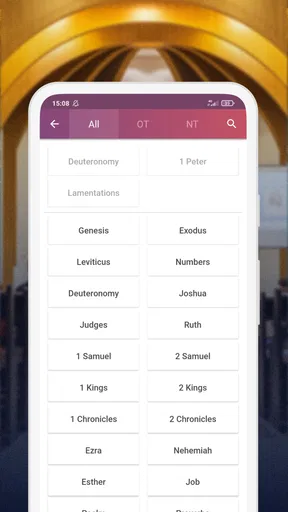
- Includes both Old and New Testaments in one app.
- Search tools help locate verses and topics quickly.
- Useful for reading during travel or in areas with weak signal.
Limitations of NIV Bible version, Offline app
- The NIV translation is copyrighted and may limit some sharing options.
- Download size can take noticeable storage space on your device.
- Some features may require an internet connection or premium access.
- Ads or upgrade prompts may interrupt reading in certain versions.
- Translation preferences may differ from users who prefer literal wording.
Other Releases by Mobile Bible apps
View All
NKJV - New King James Version
Books & Reference4.8
Similar Picks in This Category
View All
Google Play Books & Audiobooks
Google LLC4.7

네이버 - NAVER
NAVER Corp.3.5

Wattpad - Read & Write Stories
Wattpad.com3.7

King James Bible - Verse+Audio
Ozion4.8

Bible Offline-KJV Holy Bible
Bíblia Offline4.9

Amazon Kindle: Reading App
Amazon Mobile LLC4.8
Frequently Asked Questions
What is the NIV Bible Offline app?
The NIV Bible Offline app is a mobile Bible reader centered on the New International Version, a widely used modern English translation. After the Bible text is downloaded to your device, you can read Scripture without an internet connection. It is designed for personal study, daily reading, church use, travel, and situations where mobile data or Wi-Fi is unavailable.
Can I use the NIV Bible Offline app without an internet connection?
Yes, offline reading is the main advantage of this type of NIV Bible app. You generally need an internet connection during installation and while downloading the Bible content, but afterward the available books and chapters can be opened without Wi-Fi or mobile data. This makes it practical for flights, remote locations, commuting, or reducing mobile data usage.
Does the app include the complete New International Version Bible?
The app is intended to provide access to the NIV Bible, but the exact content can depend on the specific edition, publisher, and licensing arrangement of the application you download. Before installing, check its store description to confirm whether all Old and New Testament books are included, whether the text is officially licensed, and whether any features or books require an additional purchase.
What reading and study features are available?
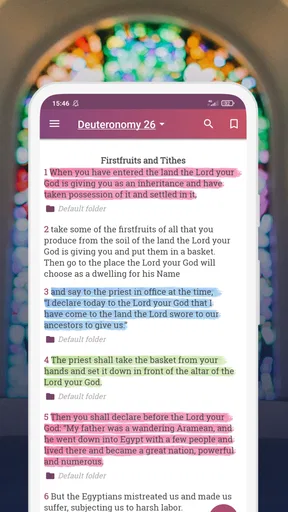
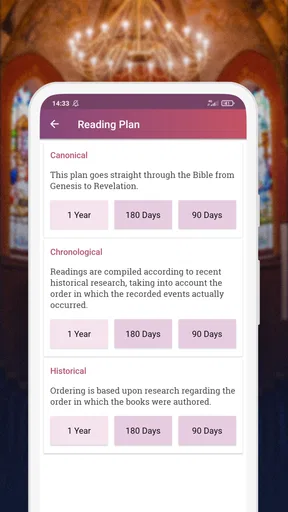
Most NIV offline Bible apps provide a straightforward reading experience with book and chapter navigation, adjustable text size, and options such as bookmarks, highlights, notes, reading history, or daily reading plans. Some versions may also offer search, verse sharing, night mode, audio, or cross-references. Feature availability can vary, so review the app’s current listing before downloading.
Is the NIV Bible Offline app free to download and use?
Many NIV Bible apps can be downloaded at no cost, but free access does not always mean every feature is free. Some applications include advertisements, optional in-app purchases, premium study tools, audio narration, or additional translations. Because the NIV is copyrighted, licensing and access conditions may differ between apps. Check pricing, permissions, and subscription details in the official app store.
